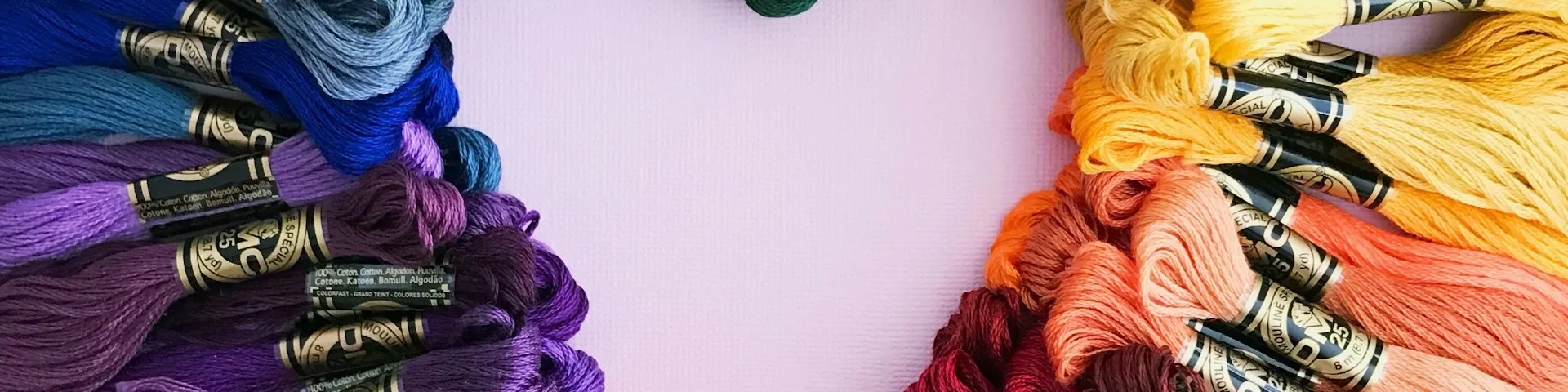
Hand embroidery combines creativity and precision, offering something for both beginners and experienced stitchers. Choosing the right supplies can make a noticeable difference in both the process and the final result. In this article, we’ll explore the fundamental essentials necessary for successful hand embroidery.
Basic essential supplies for hand embroidery – A comprehensive guide for you
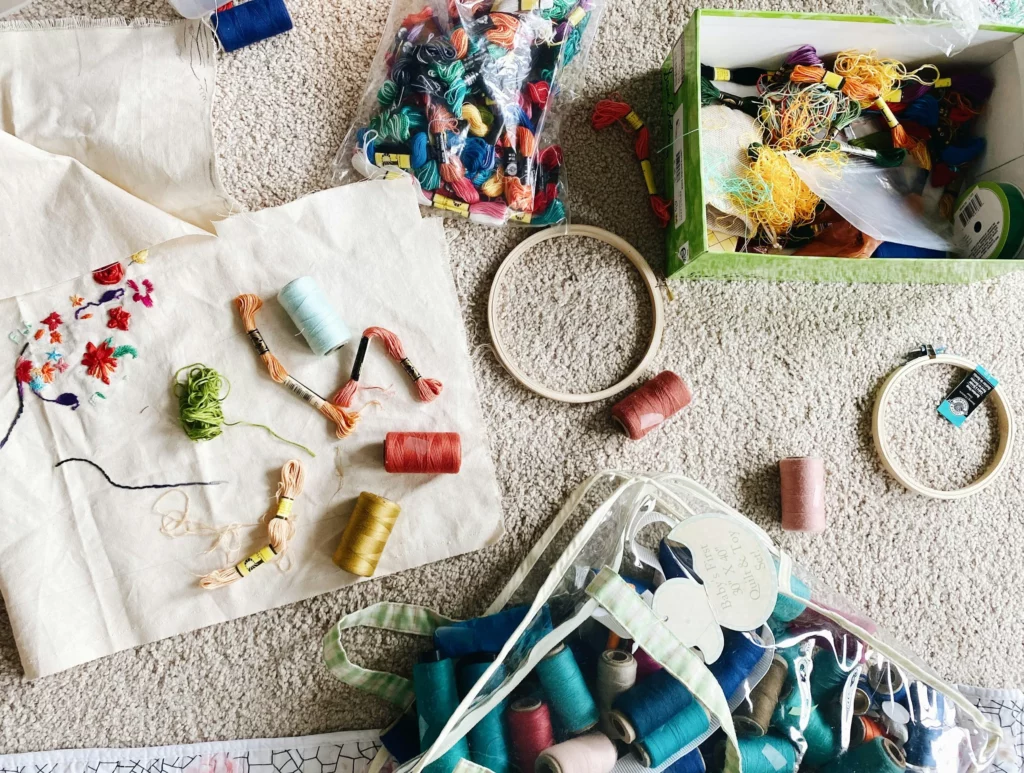
Fabric / Material
Starting an embroidery project begins with choosing the right fabric. The material you select affects how your stitches sit, how durable the piece will be, and the overall look of your design. Here I will explain some common fabric options for you.
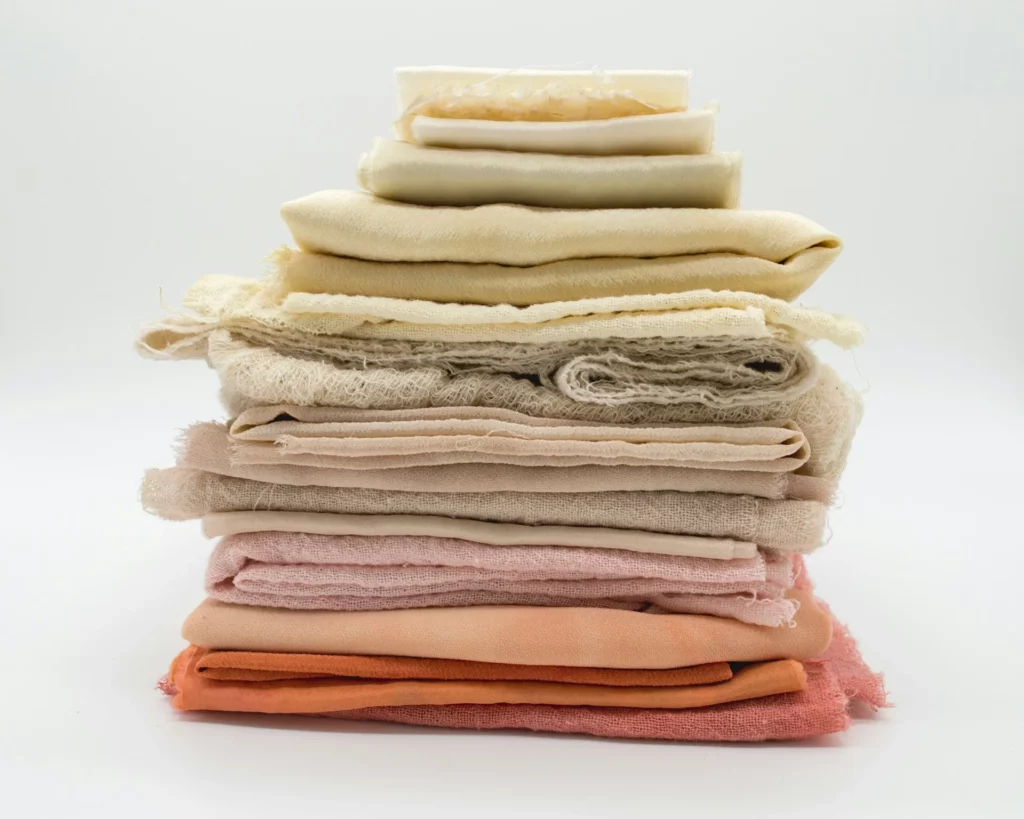
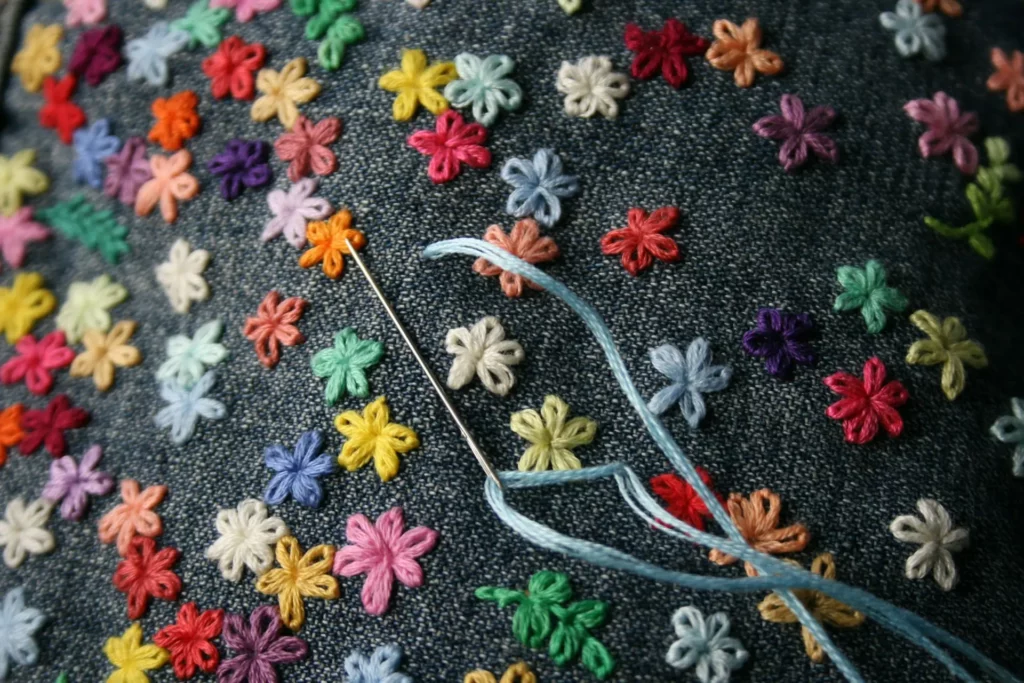
The most common fabrics used in embroidery are cotton and linen blends. When selecting fabric, it’s important to choose a high-quality fabric that’s easy to work with and won’t fray too much. I personally prefer using Greige cloth(commonly known as raw cotton/ grey cloth) and Linen blends. You can also do embroidery in Denim or Knitted materials too.
Below is a tutorial on how I did embroidery on Denim Jeans 🙂
Important tip: If you plan to wash your embroidered piece after finishing, make sure to wash and dry the fabric before you start stitching. Iron it also with law heat if possible. This might seem like an extra step, but it prevents unexpected shrinking of the fabric later on. This shrinking would misalign your beautiful stitches. So please wash the fabric beforehand. Trust me, you’ll be glad you did!
Remember, the fabric you choose plays a big role in how your embroidery turns out. Whether you’re creating delicate florals or bold geometric designs, think of your fabric as the foundation that supports your entire piece.
Embroidery Hoops
You’ll need to choose a hoop that’s the right size for your project, with a diameter slightly larger than the size of the design you’re stitching. I normally use plastic hoops to do my embroidery and then I use rubber/wooden hoops to display them.
Embroidery hoops ensure that your fabric remains taut and your stitches precise. You can find hoops with a variety of sizes and materials, but the most common are wooden embroidery hoops.
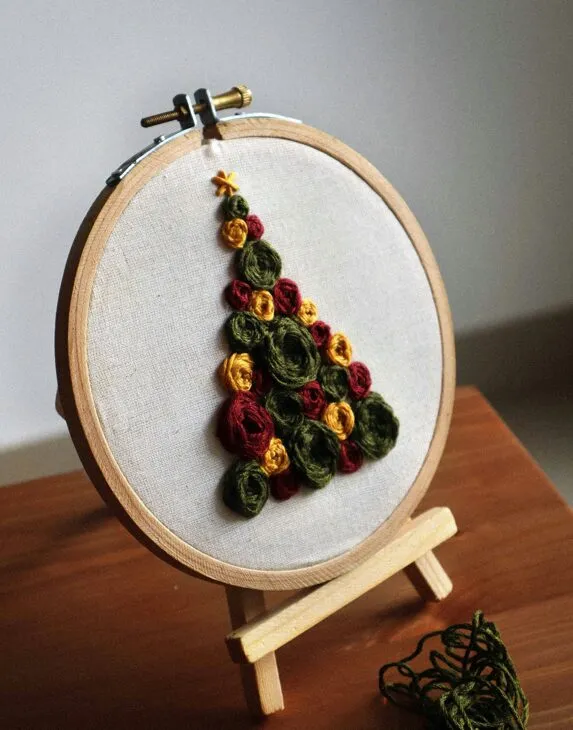
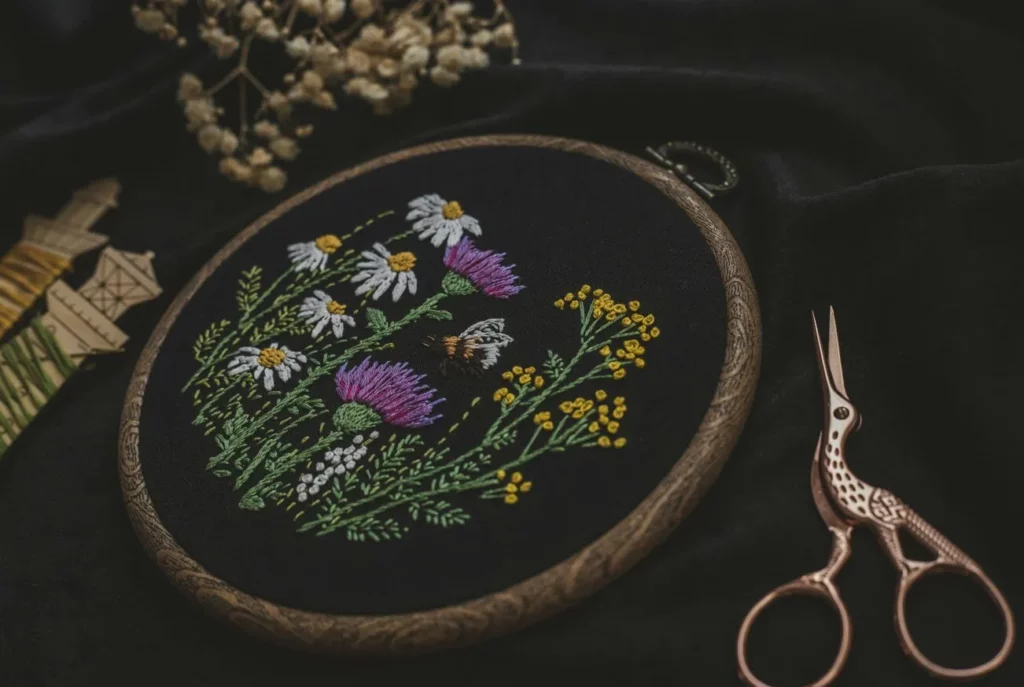
My experience so far – I find plastic hoops keep the fabric stable much when comparing with rubber/wooden hoops.
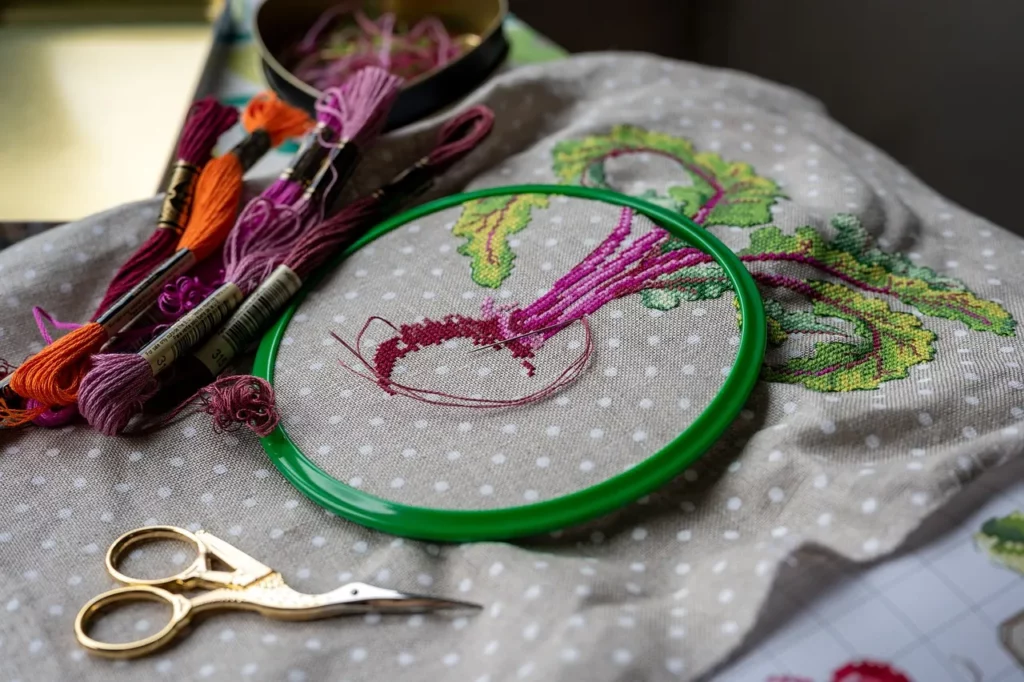
For a beginner, I would recommend using a 6 inch round hoop as I find this size is very comfortable to handle. You can check below video for “How to adjust the fabric in embroidery hoops”
Embroidery Floss
Embroidery floss is the colorful thread used in hand embroidery. It’s typically made of six strands that can be separated or used all together, depending on the thickness you want for your embroidery.
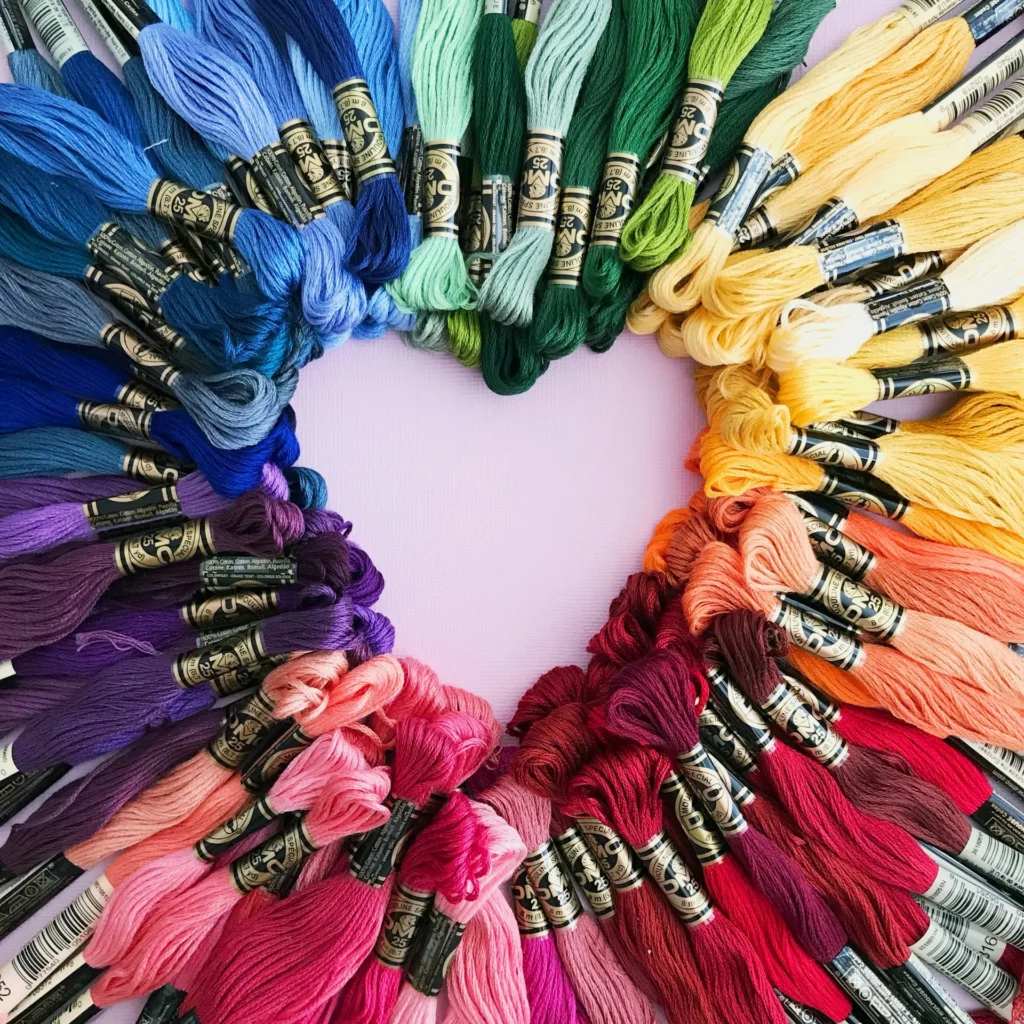
There are many different brands of embroidery floss available in the market. DMC and Anchor are the common brands available and I can recommend them for their amazing quality. They come in hundreds of colors and is widely available at local stores and online.
Embroidery Needles
Embroidery needles are specially designed with a sharp tip to pass easily through fabric and a larger eye to hold embroidery floss without fraying it. You can accommodate various sizes of embroidery needles for your projects based on the number of thread strands and the fabric you are using.
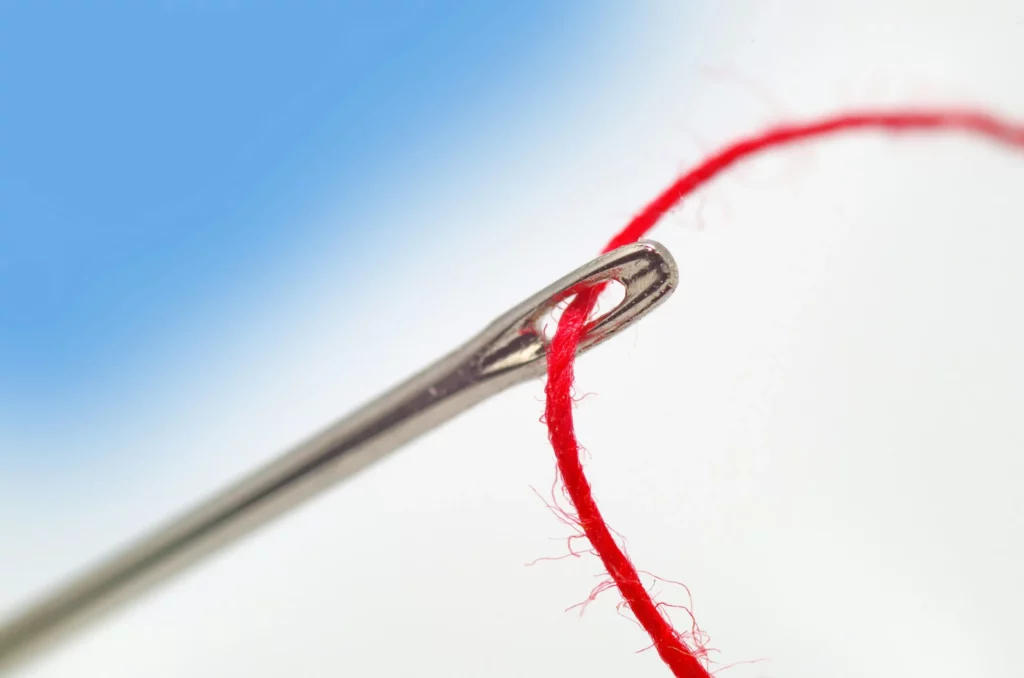
Here in the below video at 2:27, I have shown a table for the recommended sizes of DMC embroidery needles. I normally use DMC #3 embroidery needle with 6 strands of embroidery floss.
Embroidery Scissors
A good pair of scissors is an essential tool for any embroiderer. You’ll need a pair of sharp, pointed scissors for cutting embroidery floss and you will also need a pair of sewing scissors to cut your fabric.
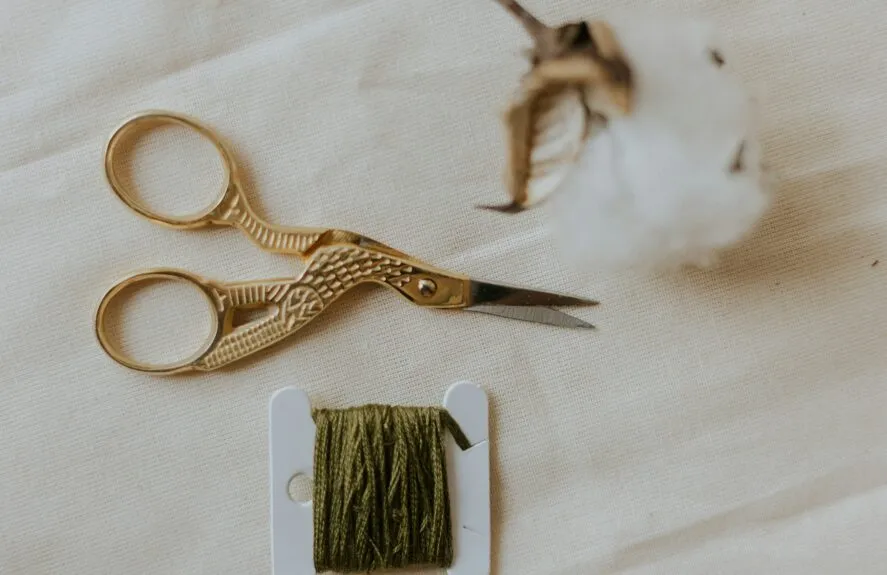
Transfer Supplies – How to transfer the pattern onto the fabric?
If you’re using a pattern for your embroidery, you’ll need to transfer it onto your fabric. There are many different transfer supplies available.
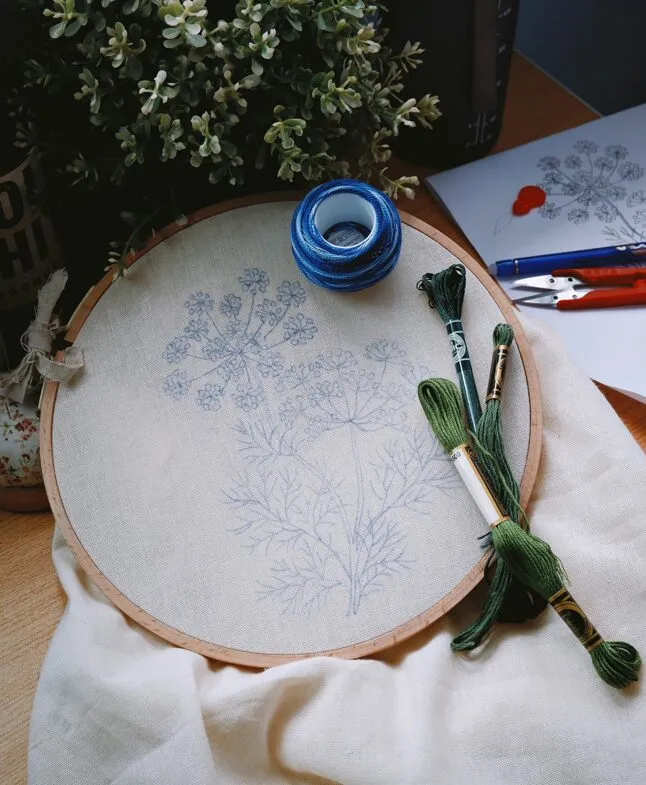
If you draw the pattern directly onto the fabric, you can use a pencil, carbon pen, heat/water erasable pen or dressmakers’ chalk.
Below is how I used my window as a light box and a pencil to copy a pattern onto the fabric.
Important Tip – Use the carbon pen if an only if the lines of the patterns are covered by your embroidery. If not your pen marks will be visible in the completed piece. The lines made by rest of the supplies can be easily washed by soap water. But again, use them if and only if you are planning to wash your project once finished.
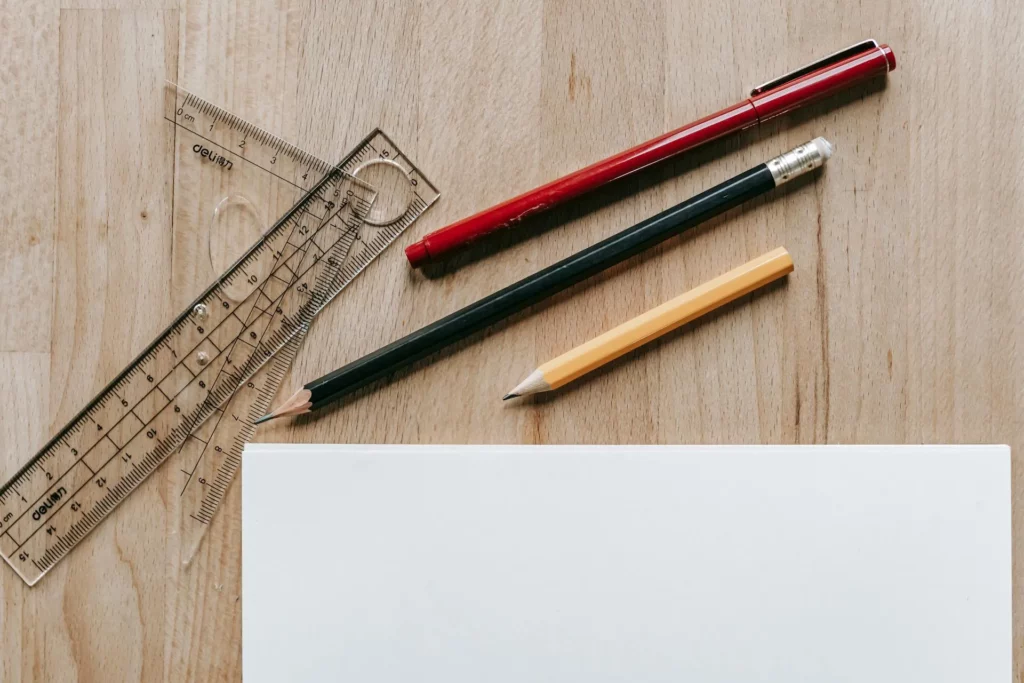
My experience so far – I find heat erasable pens to be the easiest. They literally saved me !! All I have to do is ironing my finished project with a very low heat. And Vola ! the remaining pen lines will be gone. Simple and easy !
In conclusion, hand embroidery is a beautiful and rewarding craft that requires a few essential supplies to start with. With a set of embroidery needles, embroidery floss, embroidery hoops, fabric, scissors and transfer supplies, you’ll be ready to create beautiful embroidery designs that you’ll be proud to display. So I hope this article helped you get a good understanding on ” fundamental essentials necessary for successful hand embroidery” and you are all set to start your embroidery journey. Cheers !!
You can check my previous posts from here.
Happy stitching!